

Fuller Farm Preserve
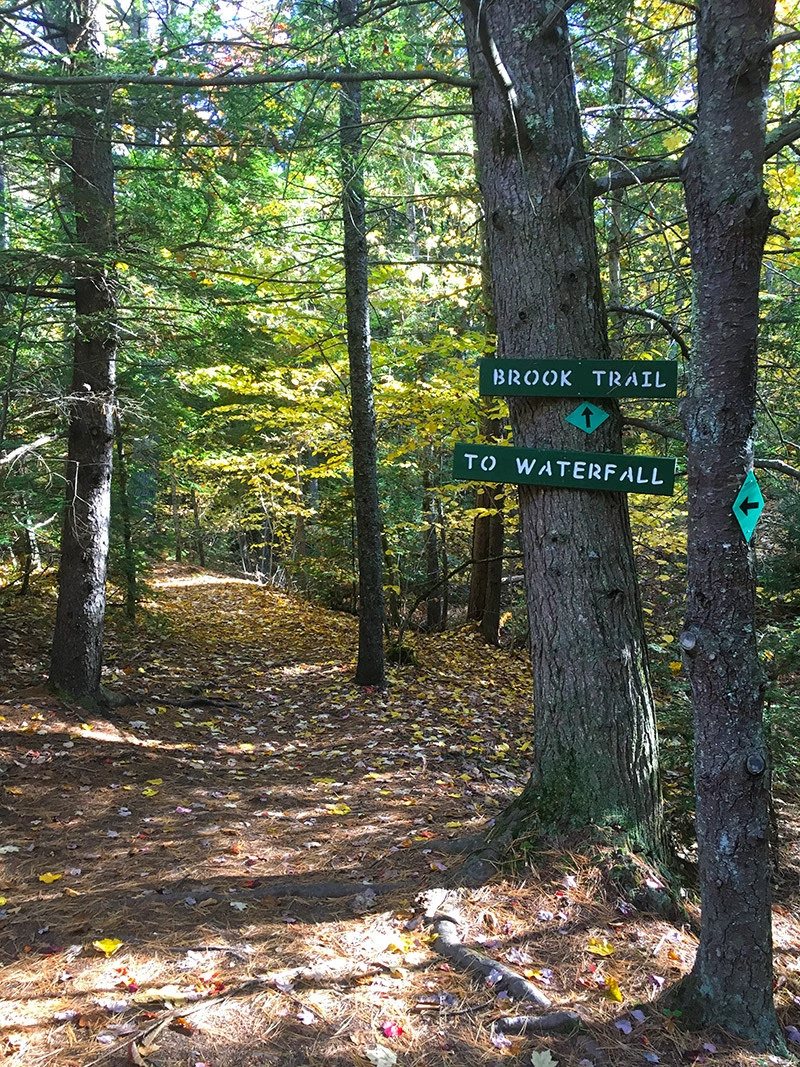
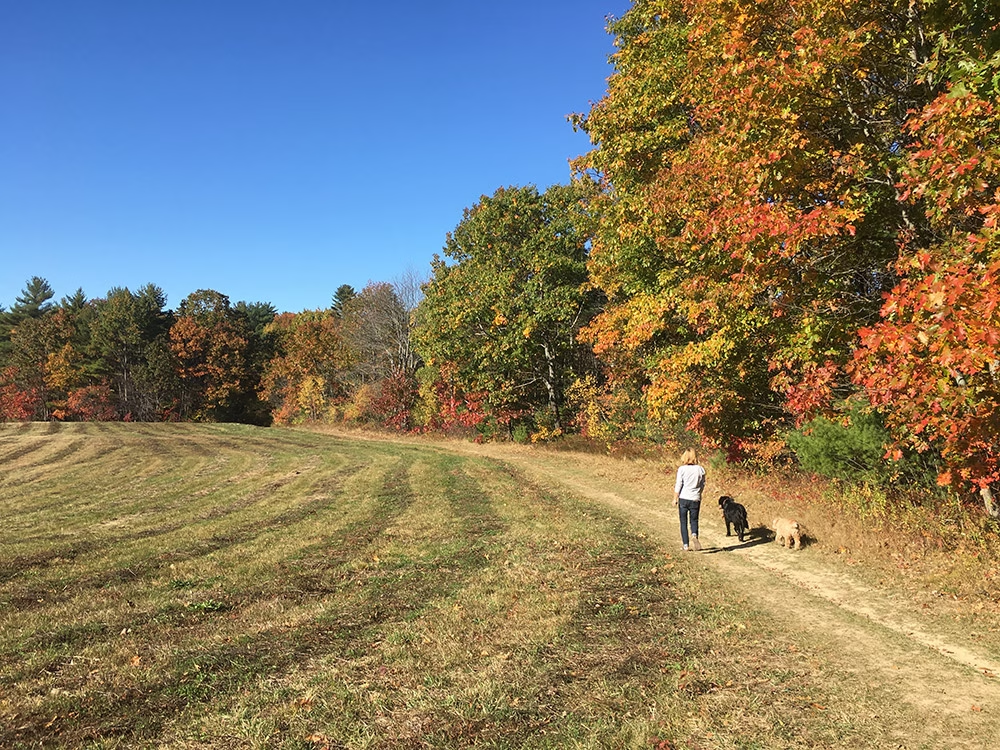
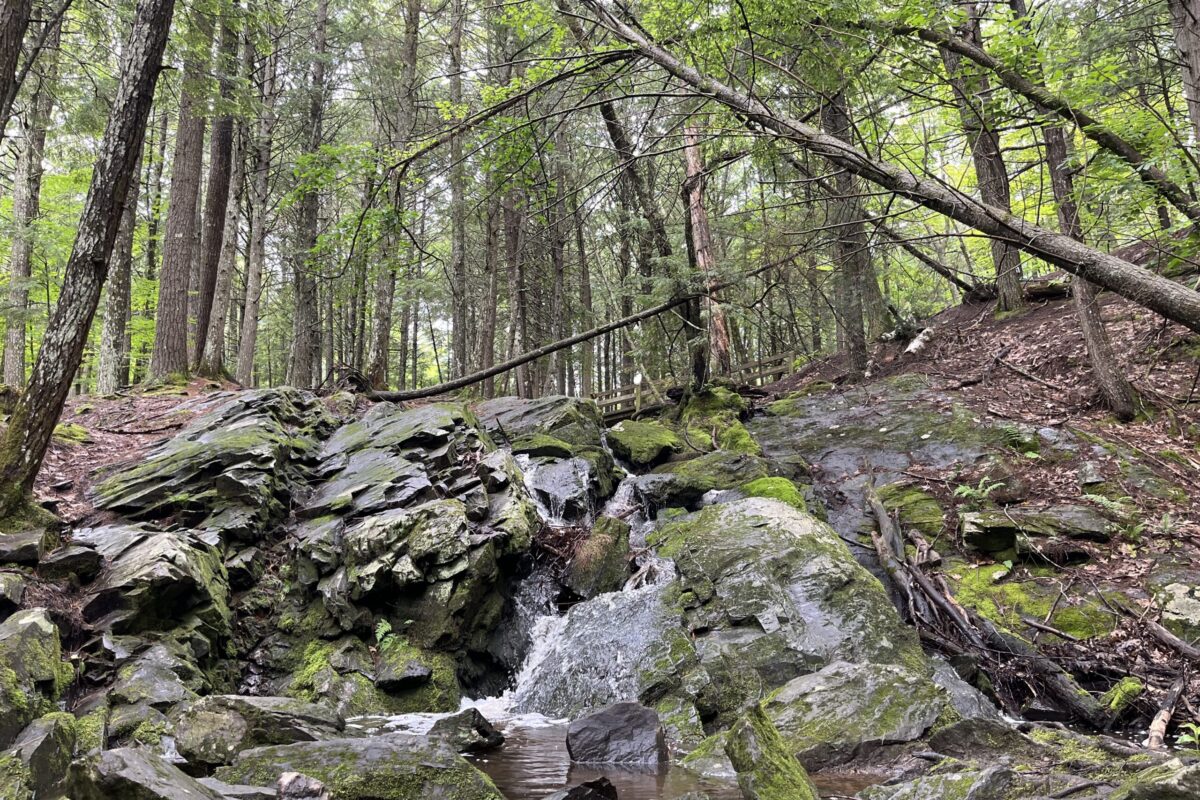
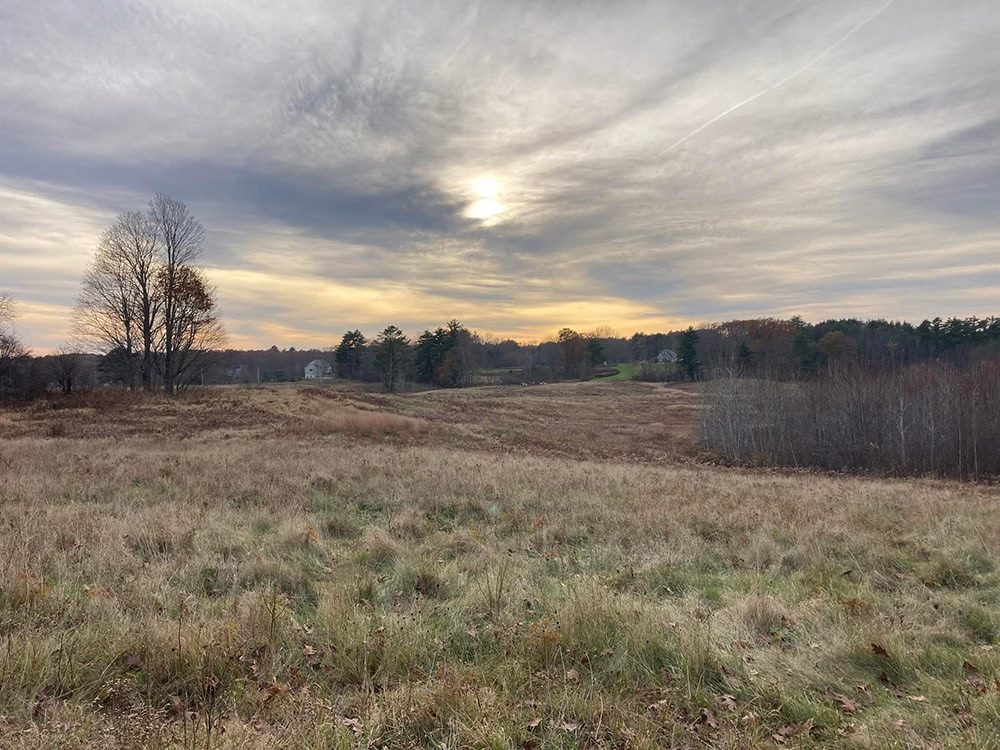
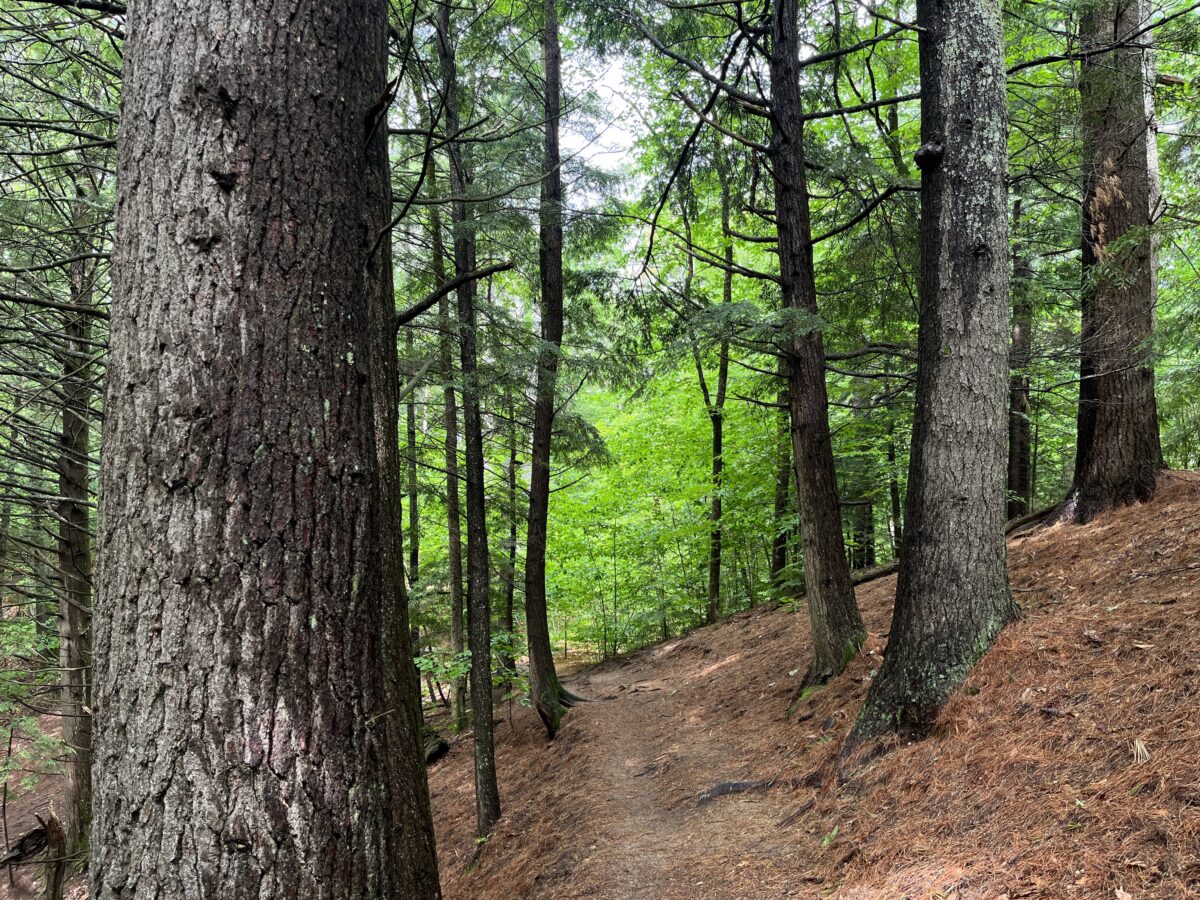
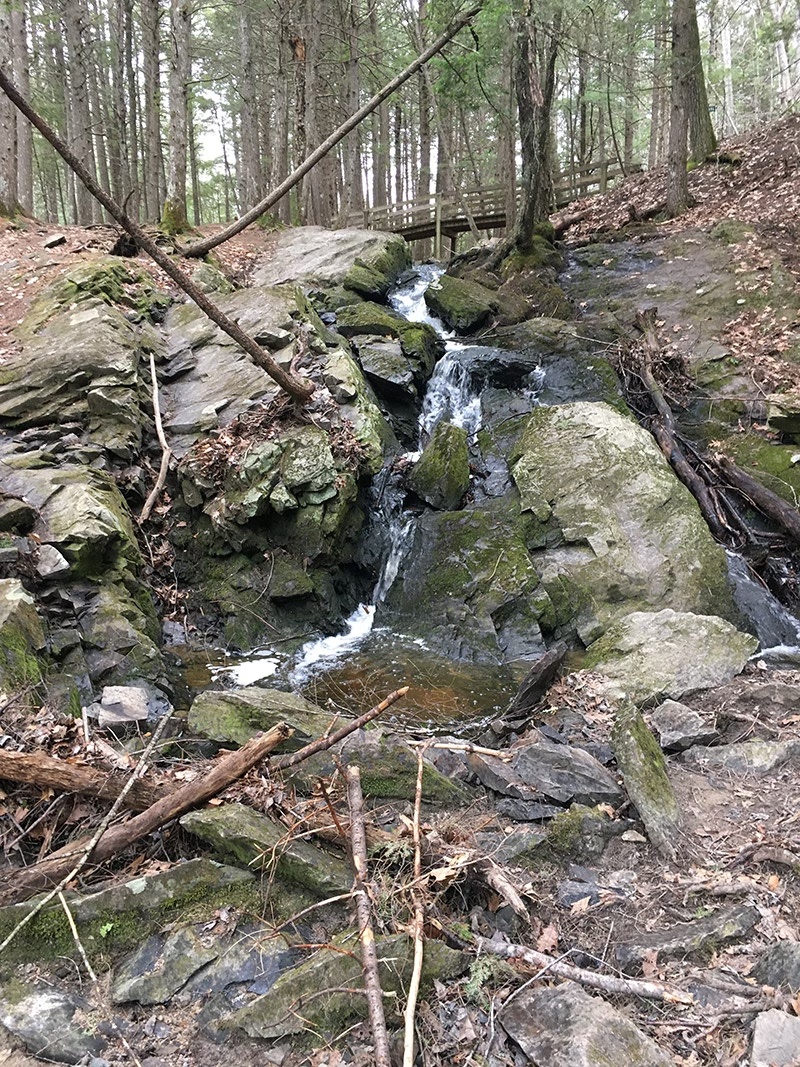
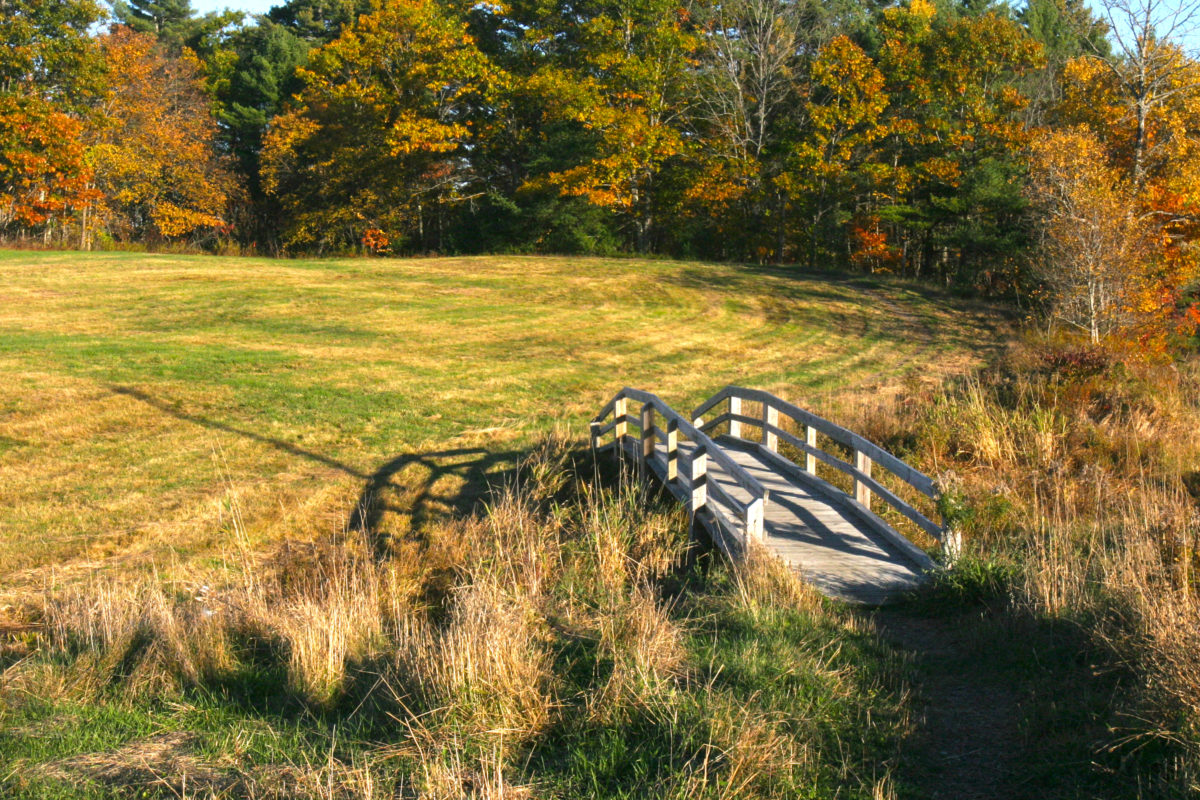
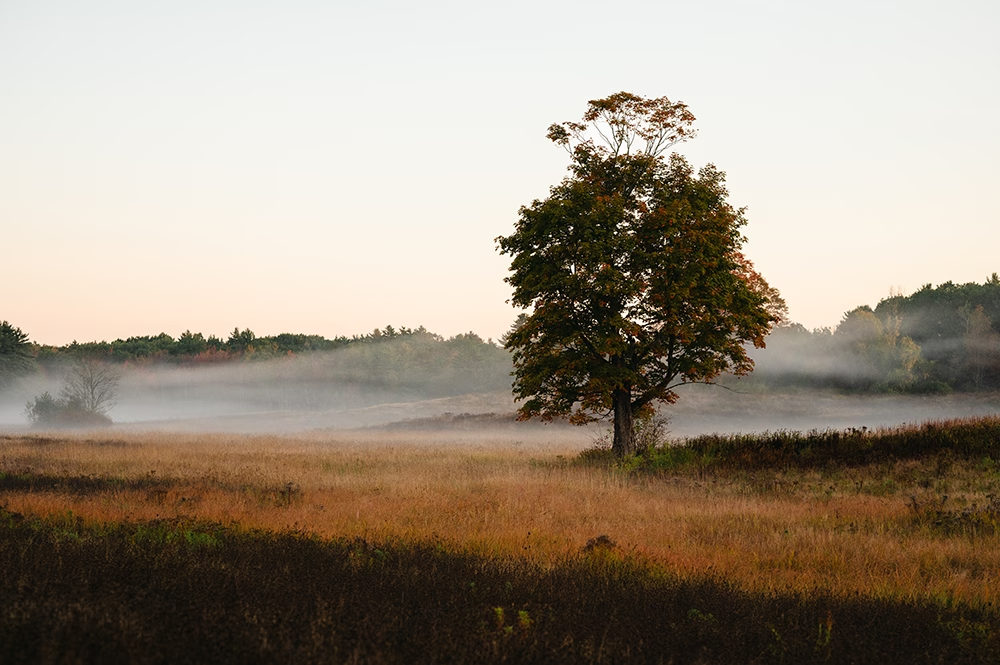
Fuller Farm Preserve has our largest trail network and is one of our most popular properties. It features large open fields, woods trails, a springtime waterfall, and frontage on the Nonesuch River. Located on Broadturn Road, just one mile from Broadturn Farm.
The Trails
| Trail | Distance | Terrain |
|---|---|---|
| Waterfall Trail | 0.4 mi | Natural trail bed, roots and rocks, narrow at times, some steep inclines. |
| Brook Trail | 0.4 mi | Natural trail bed, roots and rocks, narrow at times, some steep inclines. |
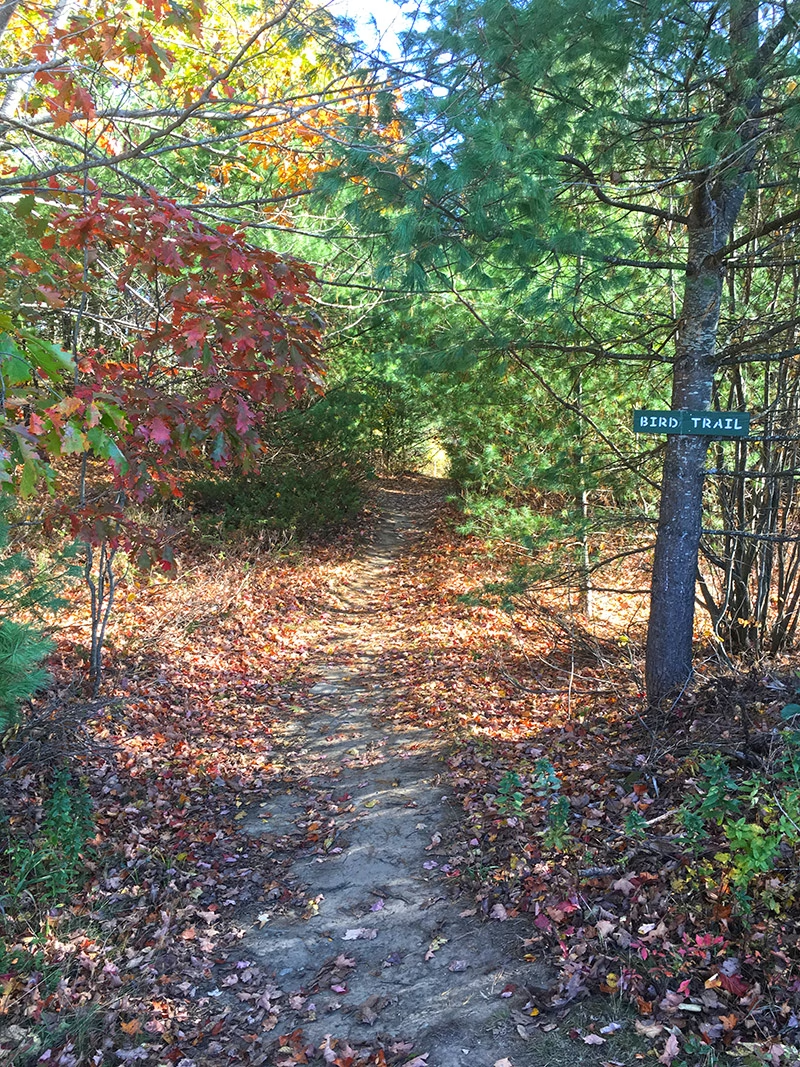
| Bird Trail | 0.5 mi | Long raised boardwalk, with some steep areas. |
| Maine Trail | 1.5 mi | Mix of mowed grass, dirt lane, and natural trail bed with roots, rocks, and some steep areas. |
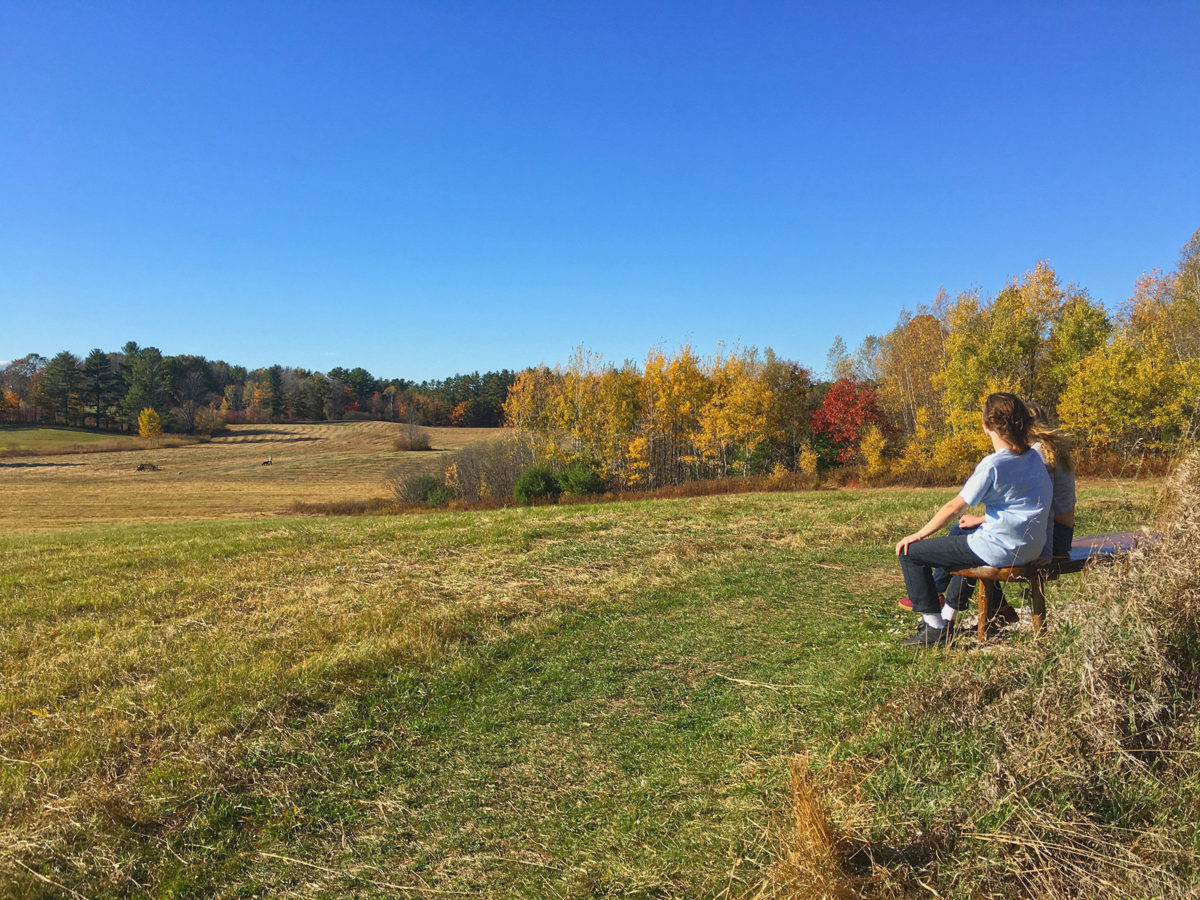
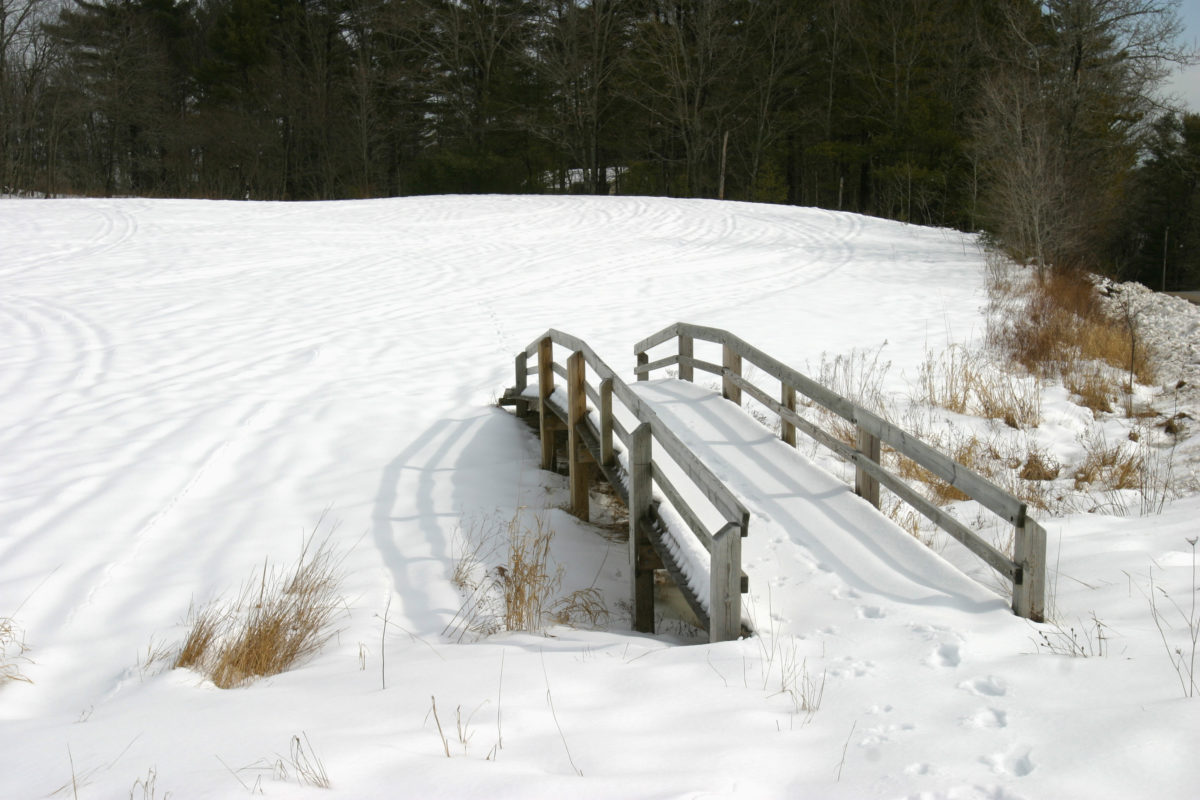
| Hayfield Trail | 0.5 mi | Mix of mowed grass and boardwalk. One short incline. Bench available. |
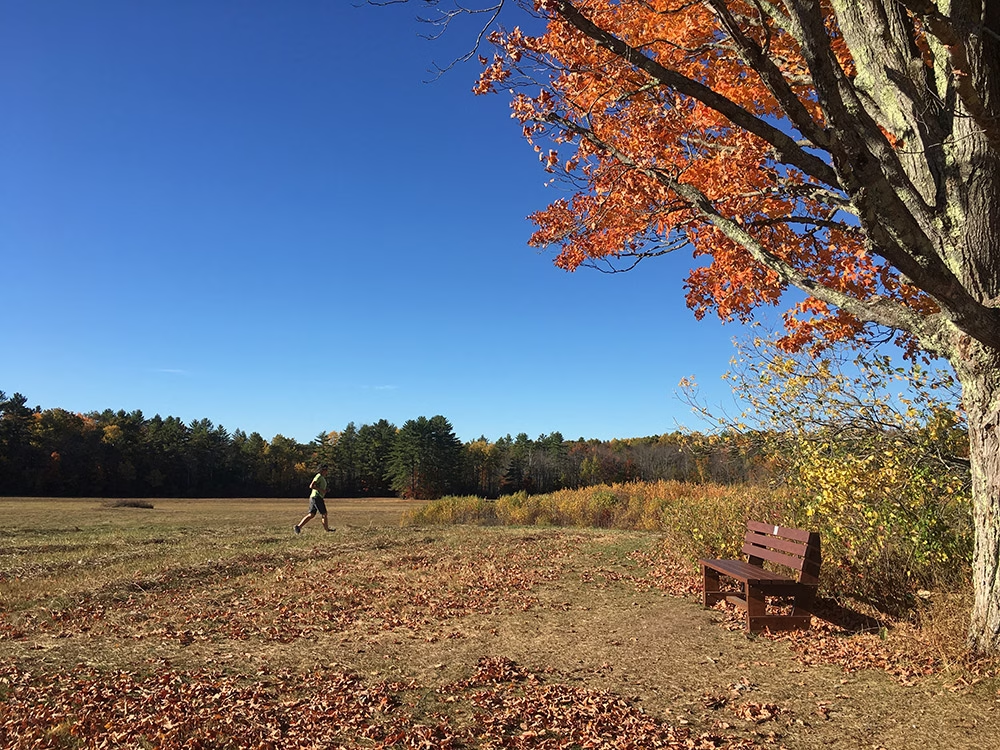
| Overlook Trail | 0.3 mi | Mowed grass, one incline, some wet areas. Bench near the Bird Trail junction. |
| Burnham Rd Access Trail | 0.3 mi | Natural trail bed, roots and rocks, crosses a stream. Bench near the road end. No designated parking at this access point. |
Dogs must be leashed or under voice control at all times. All dogs must be leashed on the Hayfield Trail during bird nesting season, May 1–Aug 1.
Trail Map

Know Before You Go
Permitted Activities
- Dogs must be leashed or under voice control at all times. All dogs must be leashed on the Hayfield Trail during bird nesting season, May 1–Aug 1.
- For the benefit of visitors and wildlife, no drones.
- Hunting is allowed with SLT notification. Visitors are encouraged to wear blaze orange during hunting season. No hunting is permitted on Sundays in Maine. Need blaze orange? Find some in our Nature Store.
- Any collecting, foraging, or commercial activity requires a permit from SLT. No exceptions.
Want to join others who help maintain these trails for the community?
Volunteer
The Land
Sweeping open fields, woods, wildlife, abundant birdlife, streams, spring waterfall, and frontage on the Nonesuch River. Spring and summer bring nesting bobolinks in the fields filled with buttercups and blue flag iris.
History & Current Use
In 2001, SLT purchased the 150-acre property from the Fuller family, who had farmed it for crops, livestock, and hay for almost 100 years. Additional parcels from Blue Rock Industries, the Town's Dunn Estates Open Space Requirement, and the George Baker family have since been added, bringing the preserve to its current 226 acres.
We purchased an additional 30-acre abutting property from Blue Rock Industries. In 1997, 38 acres were transferred to the Land Trust as part of the Town's Open Space Requirement for the Dunn Estates development. And in 2022, we purchased approximately eight acres from the George Baker family. The Fuller Farm, Blue Rock, Dunn Estates, and Baker properties are managed together as Fuller Farm Preserve and total 226 acres.
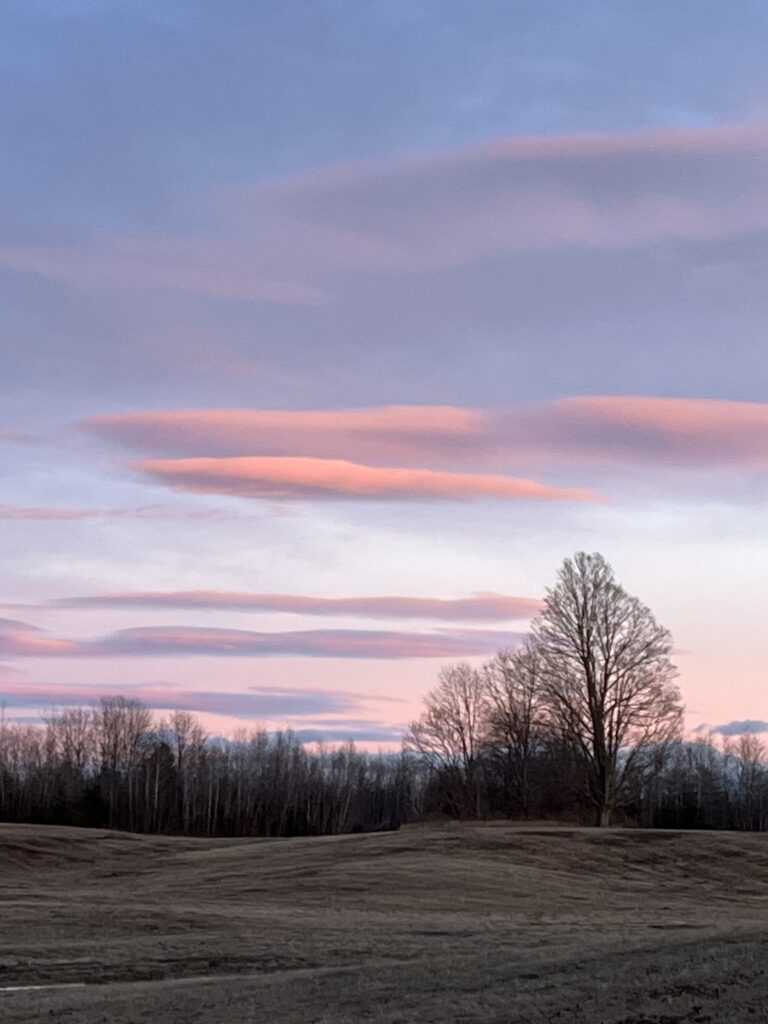
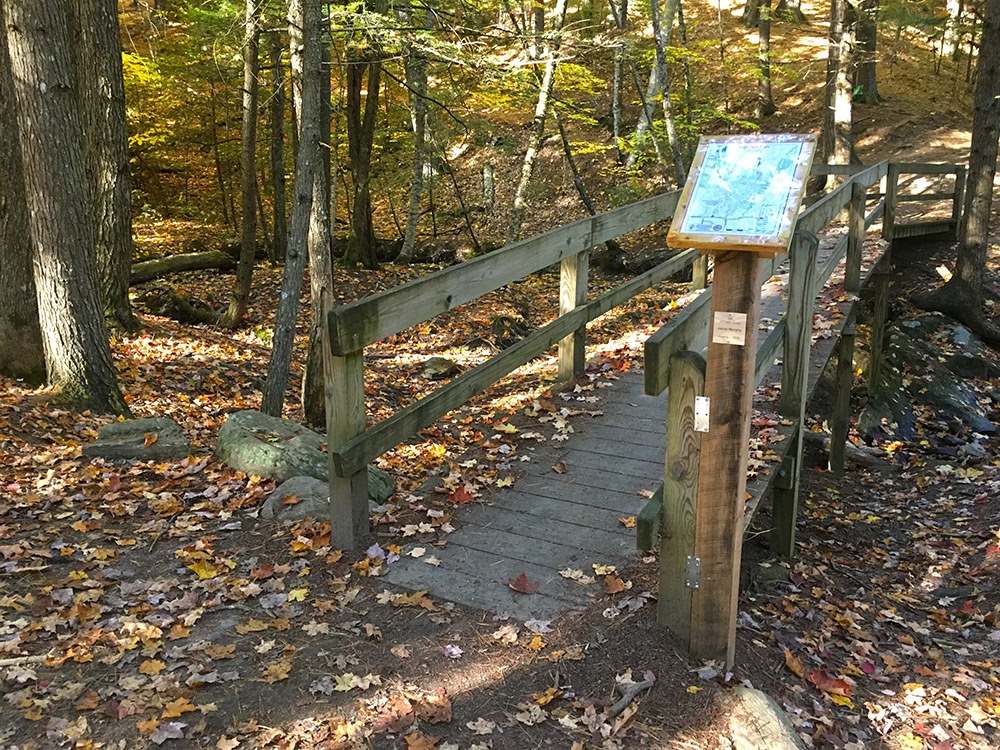
The Overlook Trail features a bench made and donated by Royce O'Donal and provides sweeping views of the front fields and glorious sunsets. In 2016, Eagle Scout Jacob Murphy made and installed two benches on the Hayfield and Waterfall Trails, and two wayfinding signs at the Maine and Overlook Trails, and the Waterfall Trail. A memorial bench dedicated to George Baker was added to the eight-acre parcel in the summer of 2023. Woods trails include bridge crossings over streams and bog bridges in wet areas.
Support for the purchase of Fuller Farm came from individuals and foundations, the Town of Scarborough, and the Land for Maine's Future program. The Trust for Public Land was also a project partner. Support for the purchase of the Baker property came from a bargain sale from the Baker family, as well as funding from the Town of Scarborough Land Bond, Maine Natural Resource Conservation Program (MNRCP), Bass Pro/Cabela's, and individual donors.
Directions
Managing for Bird Habitat
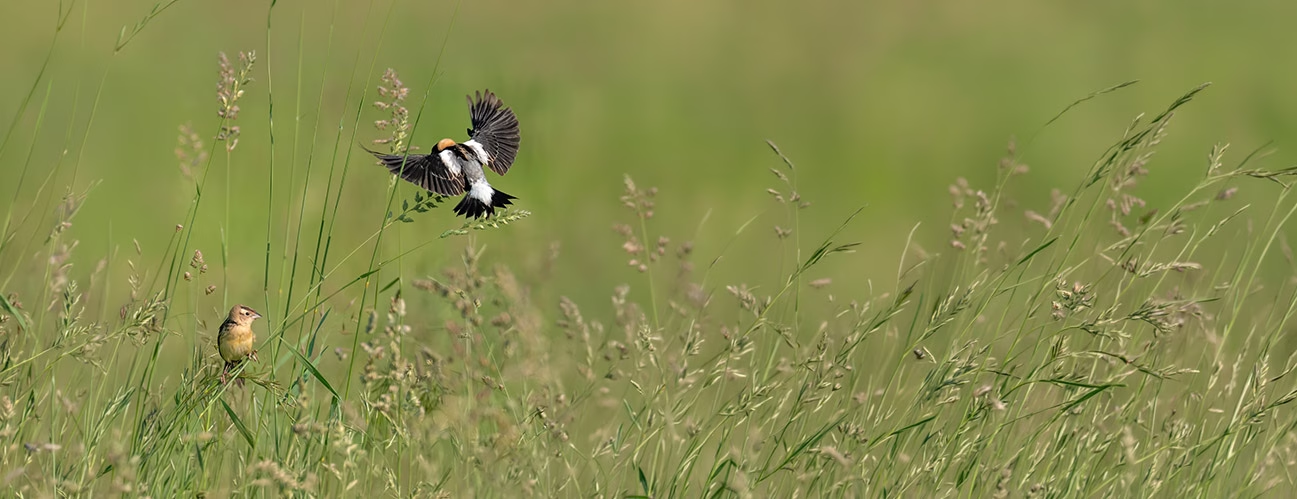
Fuller Farm protects a diverse collection of habitats including woodlands, wetlands, and meadow. SLT manages the hayfield at Fuller Farm for grassland birds, including Bobolink and Meadowlark. Many species of birds can be seen utilizing the hayfield and the woodland edge habitat throughout the year. Some habitat management practices include:
- Mowing after nesting season in late summer
- Controlled prescribed burns before nesting season in the early spring
- Limiting access to the hayfield and requiring leashing dogs around the hayfield from May 1–Aug 1
- Expanding the hayfield habitat by selectively cutting tree regrowth every few years
- Adding Bluebird boxes to the field edge

Bobolink Nesting Grounds
Bobolink populations have been in decline across New England due to habitat loss. These charismatic birds require large open grassland areas to nest from May 1st to August 1st. They return to the Fuller Farm hayfield annually, so listen for their distinct robotic-sounding call all summer long. Learn more about Bobolinks and efforts to protect them through our partner, The Bobolink Project.

Bluebird Nesting Boxes
These nesting boxes are designed for eastern bluebirds, who commonly nest in open woodlands, farmlands, and orchards. Populations of these attractive songbirds have come back thanks to land conservation efforts, reduced pesticide use, and human intervention steps like the boxes you see here. If you pause to listen, you may hear the gentle warble of bluebirds singing nearby.
Males are bright blue with an orange chest; females are more blue-gray. During nesting season, bluebirds build nests mostly from pine needles and raise one or two broods from April to June. Young hatch in about two weeks and take their first flight in about three. Do not open the nesting boxes unless supervised by SLT personnel — notify SLT if you see any mistreatment of the area. Learn more from the Cornell Lab of Ornithology.
Text by Mike Soper
Field Guides & Gear
Picked for Fuller Farm's open sunny fields, grassland birds, and woods trails.



Fuller Farm Preserve
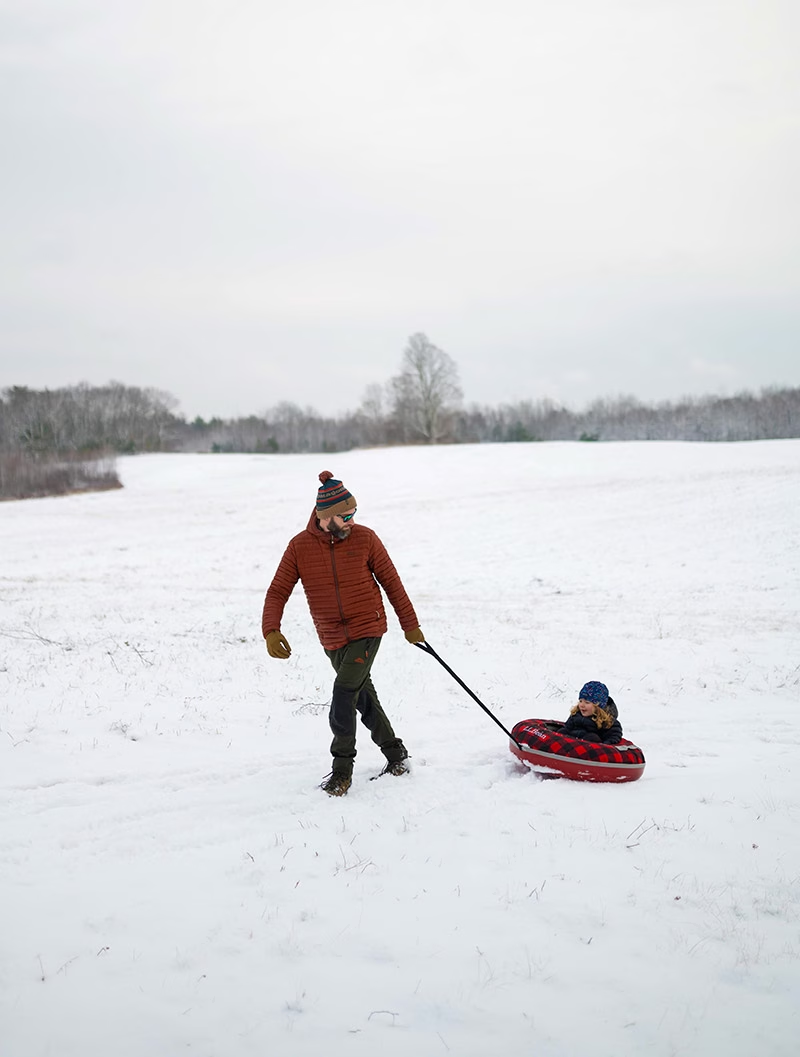
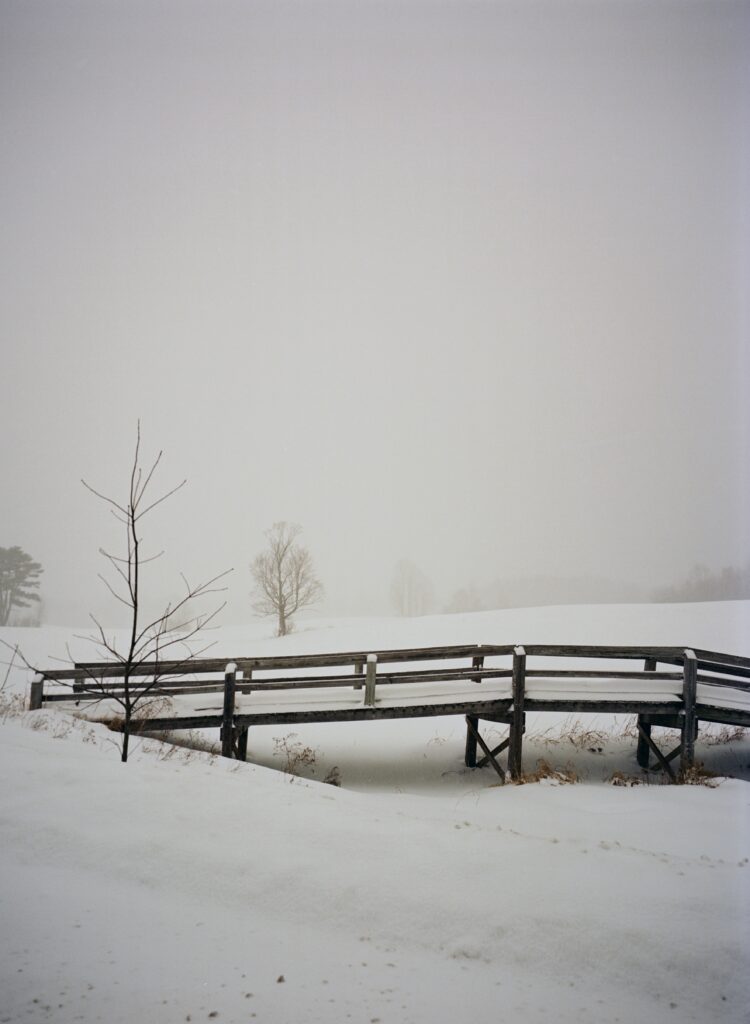
Watch the Seasons Change
SLT's ongoing Climate Change Observation Log at Fuller Farm — built from photos visitors take at the station on-site.